Who Was David Fairchild?
David Fairchild (1869–1954) was an American botanist who spent over three decades travelling the world on behalf of the United States Department of Agriculture (USDA), searching for plants to introduce to American agriculture. As head of the USDA’s Section of Seed and Plant Introduction, he and his colleagues introduced over 200,000 plant materials. While many of them were not successful, others like mangoes, kale, avocados, nectarines, cherry blossoms, Egyptian cotton, soybeans and hops became permanent staples of the modern diet and helped to build economies around them.
Fairchild didn’t work alone; some of his most prominent collaborators included Walter Swingle, Frank Meyer, and his patron Barbour Lathrop. For better or worse, their work represented a wave of what could be considered botanical globalisation.
A Personal Note
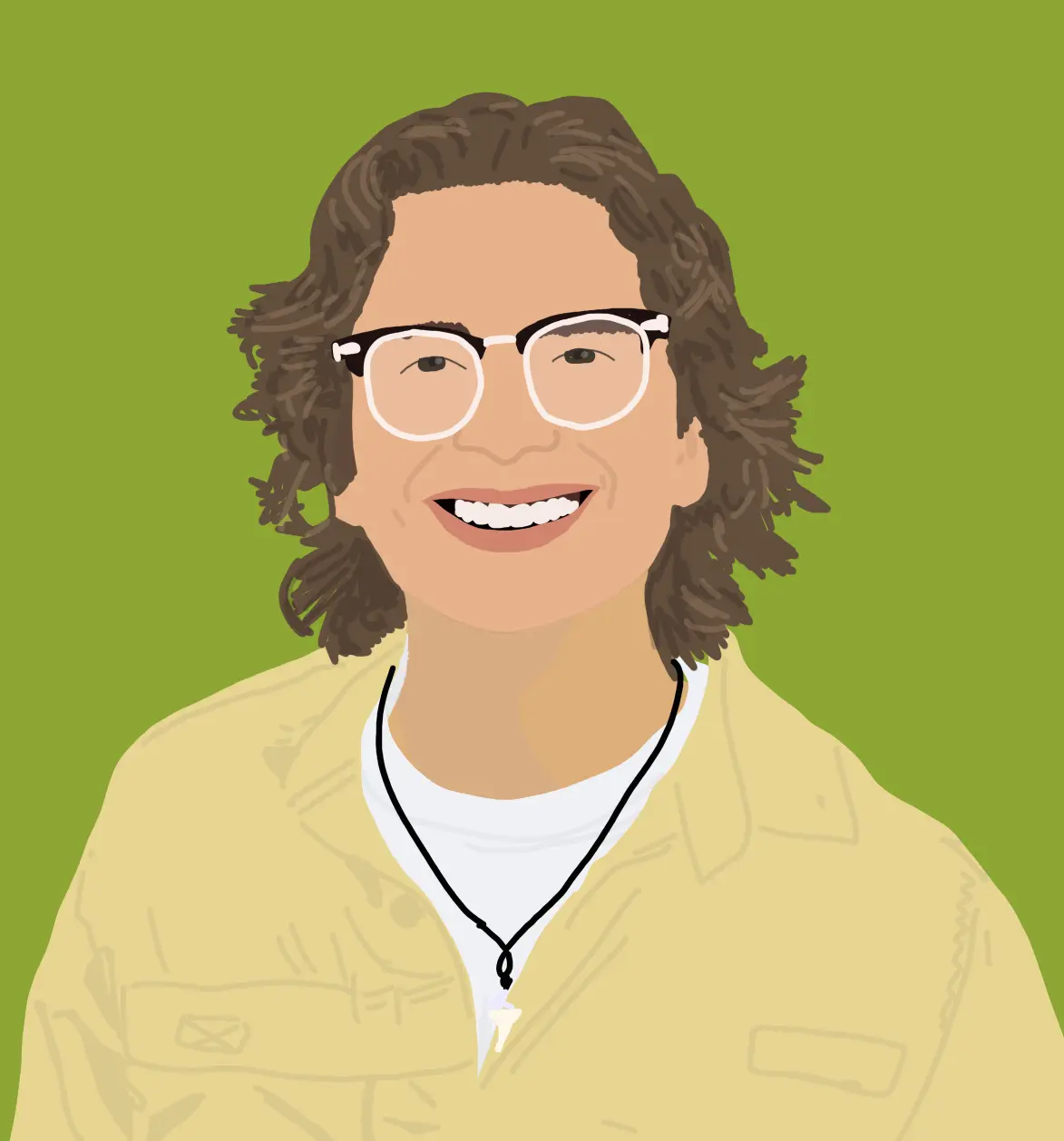
Hi! I’m Juan Camilo, the creator of this site and a Colombian botanist. I first became aware of David Fairchild during an economic botany course at university, which inspired me to read his autobiography The World Was My Garden. I didn’t make it past the first chapter, but I knew he was a significant figure in botany. Years later, while working on Barro Colorado Island in Panama, I came across the Fairchild Trail. When I took the ICTB Tropical Botany Course, I spent a month at The Kampong (Fairchild’s former home, now the National Tropical Botanical Garden), and I also learnt at the Fairchild Tropical Botanic Garden. From these experiences I became aware of the extent of his influence in the botanical world. In fact, I convinced myself that everything on my plate was thanks to him (which is an overstatement). So to clarify my thoughts I read The Food Explorer by Daniel Stone, which both grounded my perception of Fairchild’s influence and widened it in ways I didn’t expect.
It was then that I got the idea to create this website as a resource for others to find out more about Fairchild. Now that I am part of the Spring cohort for the Young Voices of Science Programme, I have the tools and motivation to actually do it. I hope this site will encourage people to think twice about where the food on their plate actually comes from.